
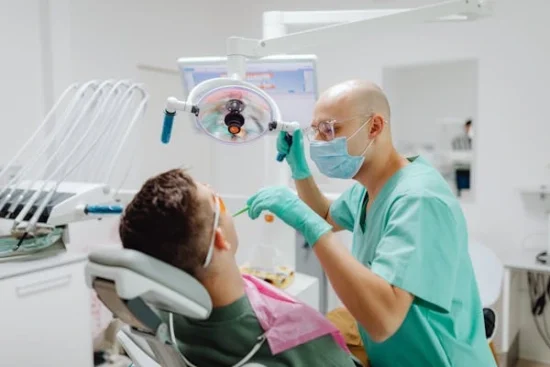
Some individuals experience anxiety when undergoing certain dental procedures. Sedation dentistry helps to relax patients and increase comfort. The type of sedation used at Steele Oral Surgery is tailored to your preferences and the procedure. Here is more information to help you choose the right sedation method for your dental operation:
Understanding the Intensity
Sedation levels vary from mild to moderate to full unconsciousness. Depending on the type of sedation dentistry, the duration and how quickly it takes effect will vary. Recovery also varies depending on the sedation type; some sedatives require you to get a ride home because you will experience lingering effects. A few sedation types with their intensity levels include:
- Light: Nitrous oxide is often used as a mild sedative that wears off quickly after a procedure.
- Moderate: Oral sedation is pill-based and helps patients relax, though they remain conscious during surgery.
- Deep: IV sedation provides a sedative directly into the bloodstream and is used for longer, more involved procedures.
- Full Sedation: General anesthesia puts patients into a sleep-like state where the body will not respond to pain or normal reflexes.
Choosing an Administration Technique
Each method of oral sedation varies, and it is delivered through the lungs, bloodstream, or digestive system. Nitrous oxide is inhaled through a small mask placed over the nose; this makes it a quick option, and the dental team is able to adjust the amount of gas given to patients over time. Oral sedation involves taking a prescribed pill before your appointment at a set time. These options are beneficial for individuals who prefer alternatives to needle-based sedation. IV sedation is given through a vein in the arm or hand. This allows the sedative to move directly into the bloodstream, and the line will remain in place throughout the procedure. General anesthesia can include using an IV, inhaling anesthetics, or combining both. These more in-depth sedatives are appealing for complex dental procedures where patients want reduced or no awareness of the treatment.
Exploring Use Cases
Different sedation types can be aligned with the demands of specific dental procedures. A short appointment involving minimal work will not require the same level of sedation as a multi-hour visit. For treatments like simple tooth extractions, nitrous oxide is often appropriate. Oral conscious sedation types can be used when appointments go beyond simple procedures, such as addressing implant failures.
IV sedation and general anesthesia are advantageous for treatments with extended operating times. Implant placement or wisdom teeth removal often fall into this category due to the length and precision required during treatment. It is also used when oral surgeons combine several procedures into one appointment, like extractions paired with bone grafting. These options work well when the length and complexity of the procedure require extended stillness.
Find the Ideal Sedation Dentistry Technique
Steele Oral Surgery prioritizes patient comfort during every kind of procedure. Whether you are having a complete tooth extraction or an all-on-4 restoration placement, selecting the right sedation type for your needs will make sure you remain comfortable and calm throughout your appointment. Contact our team today to learn more about our oral sedation options.